Royal Borough of Kingston garden waste and flower disposal rules
Posted on 18/10/2026
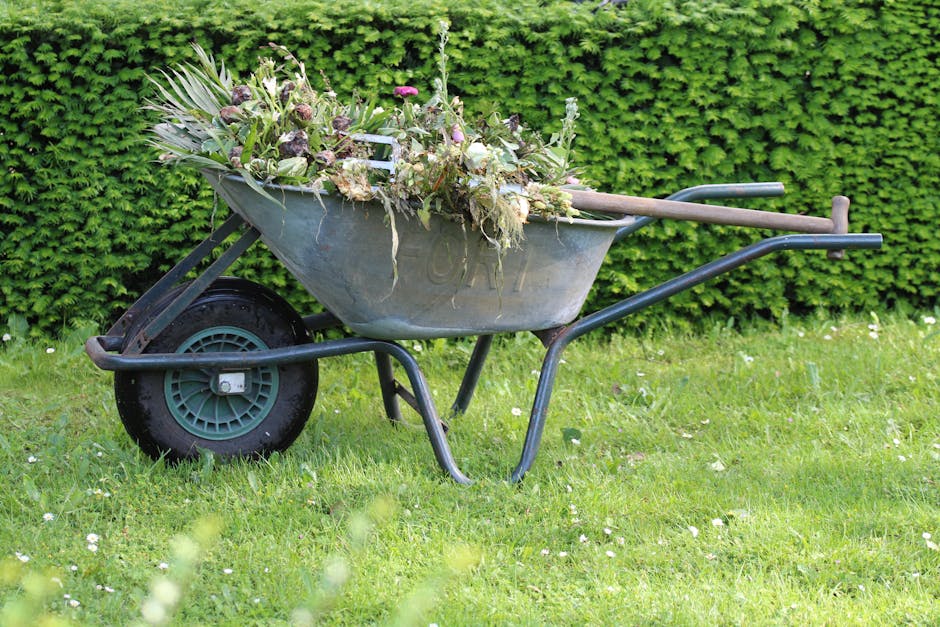
If you live, work, or garden in Kingston, the rules around garden waste and flower disposal can feel simple at first glance - until a bag of cuttings, a fading bouquet, and a half-full compost bin all appear on the same day. The Royal Borough of Kingston garden waste and flower disposal rules matter because the "wrong" bin or the wrong preparation can create unnecessary mess, contamination, missed collections, or avoidable disposal costs. This guide breaks the process down clearly, with practical examples and a few useful local insights, so you can sort green waste properly without second-guessing yourself.
Truth be told, most people are not trying to do the wrong thing. They just want to know what counts as garden waste, what to do with dead flowers, and how to avoid making a small job into a bigger one. Let's make that easier.
Table of Contents
- Why Royal Borough of Kingston garden waste and flower disposal rules matters
- How Royal Borough of Kingston garden waste and flower disposal rules works
- Key benefits and practical advantages
- Who this is for and when it makes sense
- Step-by-step guidance
- Expert tips for better results
- Common mistakes to avoid
- Tools, resources and recommendations
- Law, compliance, standards, or best practice
- Options, methods, or comparison table
- Case study or real-world example
- Practical checklist
- Conclusion
- Frequently asked questions
Why Royal Borough of Kingston garden waste and flower disposal rules Matters
Garden waste looks harmless, but it can become a problem quickly if it is mixed with the wrong materials. Wet leaves, flower stems, soil, potting compost, plastic plant ties, and food scraps all behave differently once they are collected. When they are bundled together, the load can be harder to process and may end up rejected or diverted into the wrong disposal stream. That is annoying for you, and not exactly ideal for the borough either.
The practical reason these rules matter is very straightforward: clean, separated garden waste is easier to collect and recycle or compost, while contaminated waste is much less useful. Dead flowers from a vase, for example, may look like garden waste, but if they are wrapped in plastic, tied with ribbon, or mixed with water and household rubbish, they are no longer as simple to handle. The same goes for grass cuttings covered in soil or weeds packed with old plant pots.
There is also the household convenience angle. If you understand the borough's expectations, you can sort waste once and be done with it. No backtracking to remove plastic labels. No last-minute scrambling on collection day. Just tidier bins and fewer surprises. A small win, but a real one.
Quick takeaway: treat garden waste and flower disposal as a sorting job first, a collection job second. The cleaner and simpler the waste stream, the smoother everything becomes.
How Royal Borough of Kingston garden waste and flower disposal rules Works
In plain English, the rules are about separating organic garden material from household waste and keeping recyclable green waste free from contamination. The exact collection arrangements can vary depending on your property, your bin service, and the type of material you are disposing of, so it is always worth checking the borough's current guidance before you put anything out. That said, the general pattern is familiar across London: garden waste should be kept separate, loose where possible, and free from non-organic items.
Flowers are a slightly grey area for people, because they can belong to more than one category depending on their condition. Fresh cut flowers, old bouquets, and plant trimmings are often treated like green waste if they are clean and free from packaging. Once flowers are wilted, wrapped in cellophane, pinned into floral foam, or attached to plastic decorations, though, they start drifting into mixed waste territory.
If you are disposing of a bouquet after an event, you may have a mix of petals, ribbon, leaf material, and paper wrap. The best approach is simple: separate what can be composted or placed with garden waste, then deal with any packaging separately. That one habit solves a lot.
For residents who regularly need flowers for events, memorials, or home use, planning ahead helps too. You might choose arrangements that create less waste, or use flower care habits that keep blooms fresher for longer. Pages like flower care and sustainability are useful touchpoints if you are thinking about longer-lasting flowers and lower-waste choices.
What usually counts as garden waste
- Grass cuttings
- Small branches and twigs
- Leaves and hedge trimmings
- Weeds, plants, and prunings
- Cut flowers without packaging
What usually needs extra care
- Soil and large clumps of compost
- Plastic plant pots and trays
- Garden ties, wire, and labels
- Floral foam and non-organic decorations
- Mixed household waste hidden inside green waste
One practical point that people often miss: wet flowers and wet leaves can weigh a lot more than you expect. On a drizzly Kingston morning, a small pile can become a heavy, awkward job fast. If you are bagging anything, do not overfill it. Your back will thank you later.
Key Benefits and Practical Advantages
Following the borough's garden waste and flower disposal approach gives you more than just a tidy kerbside setup. There are a few real, everyday benefits that show up almost immediately.
- Cleaner collections: when green waste is sorted properly, it is easier to collect and process.
- Less household mess: dry, separated garden material is far easier to manage than mixed rubbish.
- Fewer rejected bins: the less contamination, the fewer collection problems you are likely to face.
- Better use of organic material: leaves, cuttings, and flowers are more suitable for composting when kept clean.
- More predictable disposal: once you know what goes where, you spend less time guessing.
There is also a quieter benefit: the whole process feels less stressful. If you have ever stared at a bin bag full of rose stems, potting soil, and supermarket packaging, trying to work out what on earth belongs where, you will know the feeling. The rules cut through that confusion.
For people who buy flowers often, whether for a birthday, sympathy arrangement, or simply a vase on the kitchen table, this matters too. Choosing fresh flowers from a local florist such as a florist in Chessington can make it easier to keep floral waste manageable because you are starting with cleaner, more carefully prepared stems. That sounds minor, but it really does help.
Who This Is For and When It Makes Sense
This topic is not just for gardeners with borders and lawn mowers. It applies to a surprisingly wide group of people in Kingston.
- Homeowners tidying gardens after pruning, weeding, or mowing
- Renters with small patios, balcony planters, or shared outdoor areas
- Families disposing of funeral flowers, birthday bouquets, or event arrangements
- Landlords and managing agents keeping outdoor areas presentable
- Small businesses with planted entrances or seasonal displays
- Anyone clearing out old plants after illness, travel, or a house move
It makes sense whenever you have organic material that needs to leave the property without causing contamination. That might be a big spring tidy-up, or it might just be the aftermath of a single vase of tulips that has gone past its best. Both count.
To be fair, this is one of those household tasks that looks tiny until it is sitting in front of you. Then suddenly it needs a bin, a bag, a decision, and a plan. That is where a bit of guidance saves time.
Step-by-Step Guidance
If you want the disposal process to go smoothly, use this simple sequence. It is easy to follow and works well for most everyday situations.
- Sort the material first. Separate flowers, leaves, grass, twigs, soil, and packaging before you do anything else.
- Remove non-organic items. Take off ribbon, cellophane, plastic tags, floral foam, wire, elastic bands, and pots.
- Check whether the waste is clean. Small amounts of soil may be unavoidable, but avoid mixing in general household rubbish.
- Decide on the right container. Use the borough-approved garden waste container or the disposal method your property uses.
- Keep the load manageable. Cut larger branches down and do not overfill bags or bins.
- Put out the waste on the correct day. Timing matters. A bin left out too early can become damp, scattered, or inconvenient for neighbours.
- Handle leftovers separately. Any packaging, broken plant supports, or non-organic pieces should be put in the correct waste stream.
Practical example
Imagine you have a bunch of white lilies in a vase, a few fallen petals on the table, and the wrapping from the bouquet. The flowers themselves can usually be treated as organic waste once you remove the ribbon and plastic wrap. The wrap and card sleeve should be kept separate. If the stems are still damp, let them drain a little before bagging them. Simple, but it prevents a soggy mess at the bottom of the bin.
If you buy flowers online, the bouquet may arrive with packaging that needs the same sort of sorting. A product page like flowers by post in Chessington can be helpful when you want delivered flowers, but the disposal side is still down to you: unwrap, separate, dispose cleanly. No drama.
Expert Tips for Better Results
The best garden waste disposal habits are not fancy. They are the sort of small habits that make life easier every week. In our experience, these are the ones that matter most.
- Let wet waste dry a little: if safe to do so, leave cuttings and flowers to drain before bagging them.
- Chop bulky material down: shorter stems and smaller branches are easier to manage and less likely to snag.
- Keep a "green waste" corner: a separate bucket or crate in the garden can help you sort as you go.
- Use paper or compostable materials where possible: if you are wrapping plant material, avoid unnecessary plastic.
- Plan around weather: a rainy Tuesday collection can leave everything heavier and slippier than expected.
Another useful trick is to deal with flowers before they fully collapse. Once petals are everywhere and stems are mushy, you are suddenly cleaning the worktop, the sink, and the bin area. Best to catch it earlier. Not glamorous, but effective.
If you regularly send flowers or manage occasions, it can help to choose arrangements that suit the occasion and last well in the home. A range such as birthday flowers in Chessington or same-day flower delivery can give you flexibility, while still letting you manage the waste side more neatly afterwards.
Common Mistakes to Avoid
A lot of disposal problems come from a few repeated mistakes. Nothing dramatic, just small oversights that snowball.
- Mixing plastic with green waste: ribbon, wrapping, tags, and cellophane are the usual culprits.
- Including household rubbish: tissues, food scraps, batteries, and kitchen waste do not belong with garden waste.
- Leaving soil attached in large clumps: a bit of soil is normal; a bucket of soil is another matter.
- Overfilling containers: once a bag bursts, the whole job gets messier and more difficult.
- Forgetting about wet weight: freshly cut grass and damp flowers can be unexpectedly heavy.
- Assuming all plant material is the same: a rose stem, a plastic pot, and floral foam are not the same thing at all.
One slightly annoying habit to avoid is using the nearest bag and hoping for the best. That sounds efficient until the collection is rejected or the bag tears on the path. Better to take a minute now than twenty minutes later with a broom. Been there, regretted that.
Tools, Resources and Recommendations
You do not need a shed full of specialist gear to deal with garden waste properly. A few basic tools are usually enough.
- Garden gloves: useful for handling thorny stems, damp leaves, and rough twigs.
- Secateurs or pruning shears: ideal for cutting stems down to a manageable size.
- Reusable tubs or trugs: handy for moving waste from border to bin.
- Compost caddy or bucket: good for separating small flower offcuts before disposal.
- Paper sacks or sturdy bin liners: useful where permitted and where they suit the waste stream.
If your household also buys flowers for regular occasions, browsing categories such as any occasion flowers or summer flowers can help you choose blooms that fit the moment and your home routine. Not every bouquet needs to be extravagant; sometimes the best arrangement is the one you can enjoy and clear away without hassle.
For people who prefer to plan around delivery windows, the site's delivery information and returns and refund policy pages can also be useful if you are buying flowers for a specific date and want less uncertainty.
Law, Compliance, Standards, or Best Practice
Without pretending this is a legal minefield, there is still a compliance angle to garden and flower disposal. In UK household waste practice, the basic expectation is that waste is separated responsibly, kept clean where possible, and presented in the way your local collection system requires. Councils may vary in the details, so the safest approach is always to follow the current borough guidance for collections, container use, and accepted materials.
Best practice is the safest phrase here. It means:
- Keep organic waste separate from general rubbish.
- Remove packaging before disposal.
- Do not use garden waste bins for non-organic items.
- Keep containers within collection limits, wherever applicable.
- Check the current local arrangement if you are unsure about a specific item.
If you manage a property or business, the responsibility becomes a little broader. Shared outdoor areas should be maintained so waste is not left attracting pests or blowing into neighbouring spaces. Nothing fancy, just basic good neighbour behaviour, really.
Flower waste from memorial arrangements or special events can be especially sensitive, so it is worth handling it carefully and respectfully. A bouquet used for a tribute may include a mix of organic material and decorative accessories. Those extra pieces should be removed before any waste is sorted. For related arrangements, some people find it helpful to choose products that are already thoughtfully presented, such as sympathy flowers or funeral flowers, because they are designed with a clear occasion in mind and usually need less improvised sorting afterwards.
Options, Methods, or Comparison Table
There is more than one sensible way to deal with garden waste and flowers. The right method depends on volume, condition, and how much time you have.
| Method | Best for | Pros | Watch-outs |
|---|---|---|---|
| Kerbside garden waste collection | Routine garden cuttings, leaves, and clean flower waste | Convenient, local, and suited to regular tidy-ups | Must follow borough rules and container requirements |
| Home composting | Leaves, small stems, and suitable organic material | Low waste, practical, and useful for gardens | Not all flowers or treated materials should go in |
| Household waste bin | Small amounts of non-recyclable mixed waste | Easy for tiny leftovers | Should not be used for clean garden material if another route exists |
| Specialist disposal or bulk clearance | Larger clear-outs, overgrown gardens, event waste | Helpful for big jobs | May require more planning and cost |
If you are only dealing with a few stems from a vase, the simplest option is usually to separate the organic part from the packaging and dispose of it correctly at home. If you are pruning hedges after a long weekend and filling sacks at pace, a more structured garden waste route makes more sense. Different jobs, different tools. Obvious, but easy to forget when you are halfway through.
Case Study or Real-World Example
Picture a small terraced home in Kingston with a modest front garden, a patio pot or two, and a dining table that often holds fresh flowers. After a weekend of tidying, the household has a pile of cuttings from a border trim, a handful of wilted tulips, and a supermarket bouquet from a birthday dinner.
Here is how the waste was handled in a tidy, low-stress way:
- The hedge trimmings were cut into smaller sections and left to dry briefly.
- The wilted flowers were separated from ribbon and wrapping.
- The plastic sleeve and card insert were kept apart for the appropriate waste stream.
- The garden waste was placed in the correct container for collection.
- Any remaining mixed household rubbish stayed out of the green waste entirely.
The result was a cleaner bin, a tidier patio, and no confused guessing at the last minute. It is not glamorous work, but it saves time. And on a wet evening, when the light is fading and the back gate is clicking shut, that small bit of order matters more than people expect.
Practical Checklist
Use this checklist before you dispose of flowers or garden waste in Kingston:
- Have I removed all plastic, ribbon, wire, and foam?
- Is the waste mainly organic and suitable for the garden waste stream?
- Have I separated soil, pots, and packaging from stems and leaves?
- Is the container not overloaded?
- Do I know the correct collection day or disposal method?
- Have I kept household rubbish out of the garden waste?
- Have I checked anything unusual, like treated materials or large branches?
- Is the waste bagged or presented in the right way for collection?
If you can tick those off, you are usually in good shape. Simple as that.
Conclusion
The Royal Borough of Kingston garden waste and flower disposal rules are really about keeping things clean, separated, and manageable. Once you understand the basic pattern - organic material in the right stream, packaging and mixed rubbish kept out, and containers used properly - the whole process becomes much easier. That applies whether you are clearing a lawn edge, emptying a vase of fading roses, or tidying up after a small event at home.
A little care up front saves a surprising amount of hassle later. And honestly, that is usually the best kind of household system: one that quietly works in the background while you get on with your day.
Get a free quote today and see how much you can save.
Keeping your home, garden, and flowers in order does not have to be complicated. Once the basics are in place, the rest tends to fall into line - nicely, and without too much fuss.
Frequently Asked Questions
What counts as garden waste in Kingston?
Garden waste usually includes grass cuttings, leaves, hedge trimmings, weeds, small branches, and other organic material from outdoor maintenance. If the item is mainly plant-based and free from household rubbish, it is generally in the right category.
Can I put dead flowers in the garden waste bin?
Usually yes, if the flowers are clean and free from packaging, ribbon, floral foam, or other non-organic materials. If they came from a bouquet, strip away the wrapper and decorative extras first.
What should I do with flower wrapping and ribbon?
Remove wrapping, ribbon, tags, cellophane, and any plastic ties before disposal. Those items should go into the correct waste stream for packaging or general rubbish, not with the green waste.
Can soil go in garden waste?
Small amounts of soil attached to roots or stems are usually unavoidable, but large clumps or buckets of soil are a different matter. If you have a lot of soil, it often needs separate handling.
Are plant pots accepted with garden waste?
No, not usually. Plastic pots, trays, and similar items are not garden waste. They should be separated and disposed of according to the correct recycling or rubbish route available to you.
Can I compost flowers at home?
Many flowers can be composted if they are free from plastic, floral foam, and treated decorations. It is best to keep the material simple and organic. If in doubt, leave out anything uncertain.
What happens if I put the wrong items in the garden waste bin?
Contamination can make the load harder to process and may lead to collection issues. The exact response depends on the service, but the safest approach is to keep the bin as clean and consistent as possible.
Do cut flowers from a vase count the same as garden trimmings?
Often they can be treated similarly if they are clean and organic. The key point is whether they are mixed with packaging, water additives, or non-organic items. If they are, separate those first.
Is it better to dry garden waste before disposal?
If practical, letting waste drain or dry slightly can make it lighter and less messy. This is especially helpful after rain or when dealing with freshly watered flowers and cuttings.
Where can I get flowers that create less waste?
Choosing thoughtfully arranged flowers, longer-lasting varieties, or delivery options that minimise unnecessary packaging can help. Pages like floral arrangement choices and florist choice flowers can be a practical starting point if you want something beautiful without extra fuss.
What if I am unsure whether an item is garden waste or rubbish?
If you are not sure, separate it first. Ask yourself whether it is organic, clean, and free from packaging. If the answer is no, it probably belongs in a different waste stream. That simple test solves many borderline cases.
Do I need to follow the same rules for flowers after an event or funeral?
The same basic sorting principles still apply, but sensitivity matters too. Remove any tribute cards, holders, wire, or decoration before disposal, and handle memorial items with care. For floral tributes, products like tributes and wreaths are designed for those occasions and may include materials that need sorting separately.